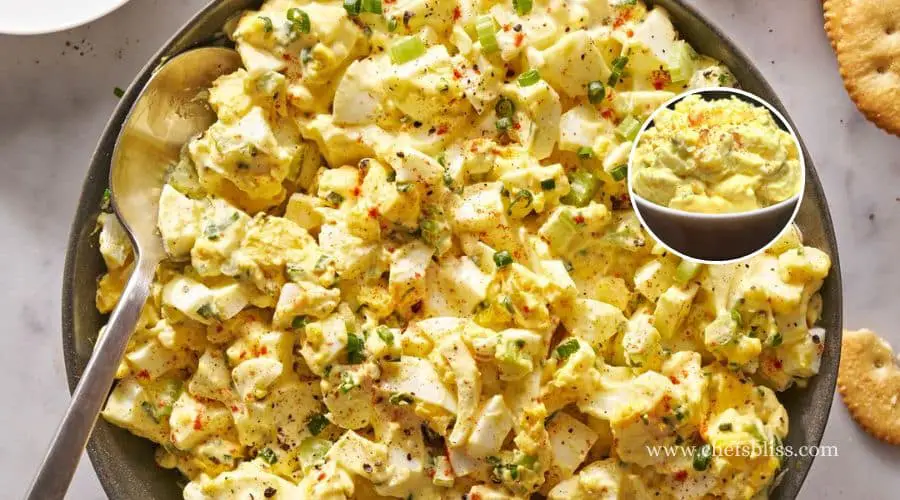
The humble potato egg salad holds a special place in global cuisine, revered as a versatile side dish, a comforting meal, and a staple for gatherings. But beneath its seemingly simple facade lies a world of culinary diversity, with each culture infusing its unique flair. Today, we embark on a delicious journey to explore two distinct and equally captivating interpretations: the fresh, zesty Italian potato egg salad and the rich, creamy Japanese rendition. Prepare to taste the difference as we delve into their ingredients, flavors, and cultural significance.
The Italian Potato Egg Salad: A Celebration of Freshness and Simplicity
Imagine a sun-drenched Italian picnic, where simple, high-quality ingredients shine without heavy sauces. This is the essence of Italian potato egg salad, a dish that proudly stands apart from its mayonnaise-laden counterparts. Often referred to as a "no-mayo potato salad," this version emphasizes vibrant, clean flavors and a light, refreshing character.
Key Ingredients and Their Roles
- Potatoes: The foundation of any great potato salad. For the Italian style, waxy or new potatoes are preferred, such as baby potatoes, Yukon Gold, or red potatoes. These varieties maintain their shape and pleasing texture even after cooking and tossing, preventing a mushy outcome. Whether you leave the skin on for rustic charm or peel it for a smoother bite is entirely up to personal preference.
- Eggs: Crucial for protein and richness, eggs in Italian potato salad are often soft-boiled, yielding a delightful "jammy" yolk. When crumbled or roughly chopped, these eggs meld beautifully with the potatoes and dressing, offering a luxurious creamy element without relying on mayonnaise.
- The Tangy Herbaceous Dressing: This is where the Italian magic truly happens. Eschewing heavy creams, the dressing is a bright concoction of:
- Extra-Virgin Olive Oil: A cornerstone of Italian cooking, high-quality EVOO is non-negotiable. Its fruity, peppery notes form the rich base.
- Lemon Juice: Provides the essential tang and brightness, cutting through the richness of the potatoes and oil. White vinegar or apple cider vinegar can also be used for a slightly different acidic profile.
- Mustard: Whole-grain mustard is often favored for its rustic texture and depth of flavor, though a smooth Dijon mustard also works. It adds a subtle piquancy that complements the lemon and herbs.
- Fresh Herbs: Italian flat-leaf parsley is the classic choice, pairing exquisitely with potatoes. However, fresh dill or chives can offer delightful variations, though their potent flavors should be adjusted to taste.
- Seasoning: Simple yet vital, a good pinch of sea salt (especially if potatoes are cooked in salted water) and freshly ground black pepper tie all the flavors together.
Flavor Profile and Texture
The Italian potato egg salad is characterized by its bright, zesty, and herbaceous flavor profile. It feels incredibly light and fresh on the palate, a testament to its quality ingredients and simple preparation. Texturally, you'll find soft, tender potato chunks, complemented by the creamy, sometimes slightly runny, egg yolk, and the fresh bite of herbs. It's a symphony of natural flavors, making it an ideal companion for picnics, barbecues, or as a light side dish. This style truly exemplifies No Mayo Potato Egg Salad: Fresh Italian Picnic Perfection.
Unveiling the Japanese Potato Egg Salad: Creamy, Savory, and Satisfying
In stark contrast to its Mediterranean cousin, the Japanese potato egg salad embraces a world of creaminess and umami-rich satisfaction. It's a beloved comfort food, often found in bento boxes, as a side dish in izakayas, or as a popular sandwich filling.
Key Ingredients and Their Roles
- Potatoes: While various potato types can be used, Japanese potato salad often favors varieties that mash well, contributing to its signature creamy texture. They are typically boiled until very tender.
- Eggs: Hard-boiled eggs are the standard here. They are usually chopped or mashed and often integrated directly into the potato mixture, adding substantial protein and contributing to the overall creaminess.
- The Creamy Umami Dressing: This is the heart of the Japanese interpretation, delivering its signature richness.
- Japanese Mayonnaise: Often Kewpie mayo, known for its richer, tangier, and slightly sweeter profile due to its use of egg yolks only (compared to whole eggs in Western mayo) and a touch of rice vinegar or apple cider vinegar. This is a non-negotiable ingredient for authentic flavor.
- Rice Vinegar: Adds a gentle tang and balances the richness of the mayo.
- Sugar: A small amount often balances the savory and tangy notes, characteristic of Japanese seasoning.
- Dashi Powder (Optional): A pinch of dashi powder can elevate the umami factor, adding depth.
- Crunchy and Savory Add-ins: Japanese potato salad is famous for its delightful textural contrasts and savory additions:
- Cucumber: Thinly sliced and often lightly salted to draw out excess moisture, providing a crisp, refreshing crunch.
- Carrots: Boiled along with the potatoes, carrots add a touch of sweetness and vibrant color.
- Ham: Diced ham is a very common inclusion, offering a savory, salty counterpoint to the creamy base.
- Onions: Thinly sliced onions, often salted and rinsed to remove their raw pungency, contribute a subtle sharpness.
Flavor Profile and Texture
The Japanese potato egg salad presents a creamy, savory, and subtly sweet flavor profile, with a distinct umami punch. Its texture is wonderfully varied: tender, often slightly mashed potatoes form a creamy base, interspersed with chunks of hard-boiled egg, and punctuated by the satisfying crunch of cucumber and carrot, and the chewy saltiness of ham. It's a hearty and deeply satisfying dish, perfect as a substantial side, a quick meal, or tucked into a sandwich for a classic Japanese "sando."
Head-to-Head: Italian vs. Japanese Potato Egg Salad – A Culinary Showdown
While both salads share the core components of potatoes and eggs, their journeys diverge dramatically, reflecting the culinary philosophies of their origins. Let's pit them against each other to highlight their unique characteristics:
- Dressing Dominance:
- Italian: Relies on the bright, acidic punch of extra-virgin olive oil and lemon juice, enhanced by fresh herbs. It's a light, emulsified vinaigrette.
- Japanese: Defined by the rich, creamy, and umami-laden Japanese mayonnaise, often balanced with a hint of vinegar and sugar.
- Egg Preparation:
- Italian: Favors soft-boiled or "jammy" yolks for a melt-in-your-mouth creaminess that complements the lighter dressing.
- Japanese: Almost exclusively uses hard-boiled eggs, often mashed or finely chopped, to integrate seamlessly into the creamy base.
- Key Flavor Profile:
- Italian: Fresh, zesty, herbaceous, tangy, and bright.
- Japanese: Rich, creamy, savory, subtly sweet, and umami-forward.
- Signature Add-ins:
- Italian: Primarily fresh herbs (parsley, dill, chives) are the star additions, allowing the potato and dressing to shine.
- Japanese: A delightful medley of crunchy vegetables (cucumber, carrot, onion) and savory meats (ham) adds layers of texture and flavor.
- Overall Texture:
- Italian: Lighter, more defined potato chunks, with a fresh, yielding quality.
- Japanese: Creamier, often with some mashed potato texture, providing a more cohesive, substantial feel, balanced by crisp additions.
The Italian style speaks to a preference for raw, vibrant flavors and simplicity, allowing each high-quality ingredient to sing. The Japanese style, conversely, is about creating a harmonious, comforting blend of textures and deeper, savory-sweet flavors.
Crafting Your Perfect Potato Egg Salad: Tips for Both Styles
No matter which style you lean towards, some fundamental principles will elevate your potato egg salad to new heights. For more versatile ideas, check out Potato Egg Salad: Versatile Sides to Hearty Meal Prep.
General Tips for Any Potato Egg Salad:
- Choose Your Potatoes Wisely: Waxy potatoes (like new potatoes, red potatoes, Yukon Gold) hold their shape better, making them ideal for chunkier salads. Starchier potatoes (like Russets) are great if you want a creamier, more mashed texture.
- Don't Overcook Your Potatoes: They should be tender but not falling apart. Overcooked potatoes will result in a mushy salad.
- Salt the Potato Cooking Water: Just like pasta, potatoes absorb salt while cooking, enhancing their flavor from the inside out.
- Season Generously and Taste: Salt and freshly ground black pepper are crucial. Always taste and adjust seasonings before serving, as flavors can mellow when chilled.
- Chill for Flavor Development: While delicious immediately, most potato salads benefit from at least an hour or two in the fridge, allowing the flavors to meld and deepen.
Italian Potato Egg Salad Specific Tips:
- Quality EVOO is Key: Since it's a primary flavor component, invest in a good quality extra-virgin olive oil.
- Fresh Herbs are a Must: Dried herbs won't give you the vibrant flavor and aroma needed for this style.
- Don't Be Shy with the Lemon: The acidity is vital for balancing the dish and keeping it light and fresh.
Japanese Potato Egg Salad Specific Tips:
- Authentic Japanese Mayo: For that distinct, umami-rich flavor, seek out Japanese mayonnaise (like Kewpie).
- Prep Your Vegetables: If using cucumber or onion, salt them lightly and let them sit for 10-15 minutes, then squeeze out excess water. This prevents a watery salad and improves texture.
- Boil Carrots with Potatoes: This ensures the carrots are perfectly tender and slightly sweet.
- Mash to Your Preference: You can leave some potato chunks for texture or mash it completely for a smoother, creamier salad.
Conclusion
The world of potato egg salad is far richer and more diverse than many imagine, with the Italian and Japanese versions standing as vibrant testaments to global culinary creativity. Whether you're drawn to the bright, fresh, and zesty notes of Italy's olive oil and lemon-dressed creation, or the creamy, savory, and umami-rich satisfaction of Japan's mayonnaise-infused delight, both offer unique and utterly delicious experiences. Experiment with both styles, savoring the distinct characteristics that make each a beloved classic in its own right. Understanding these differences not only broadens your culinary horizons but also deepens your appreciation for how simple ingredients can transform into extraordinary dishes across cultures. Which will you try first?
